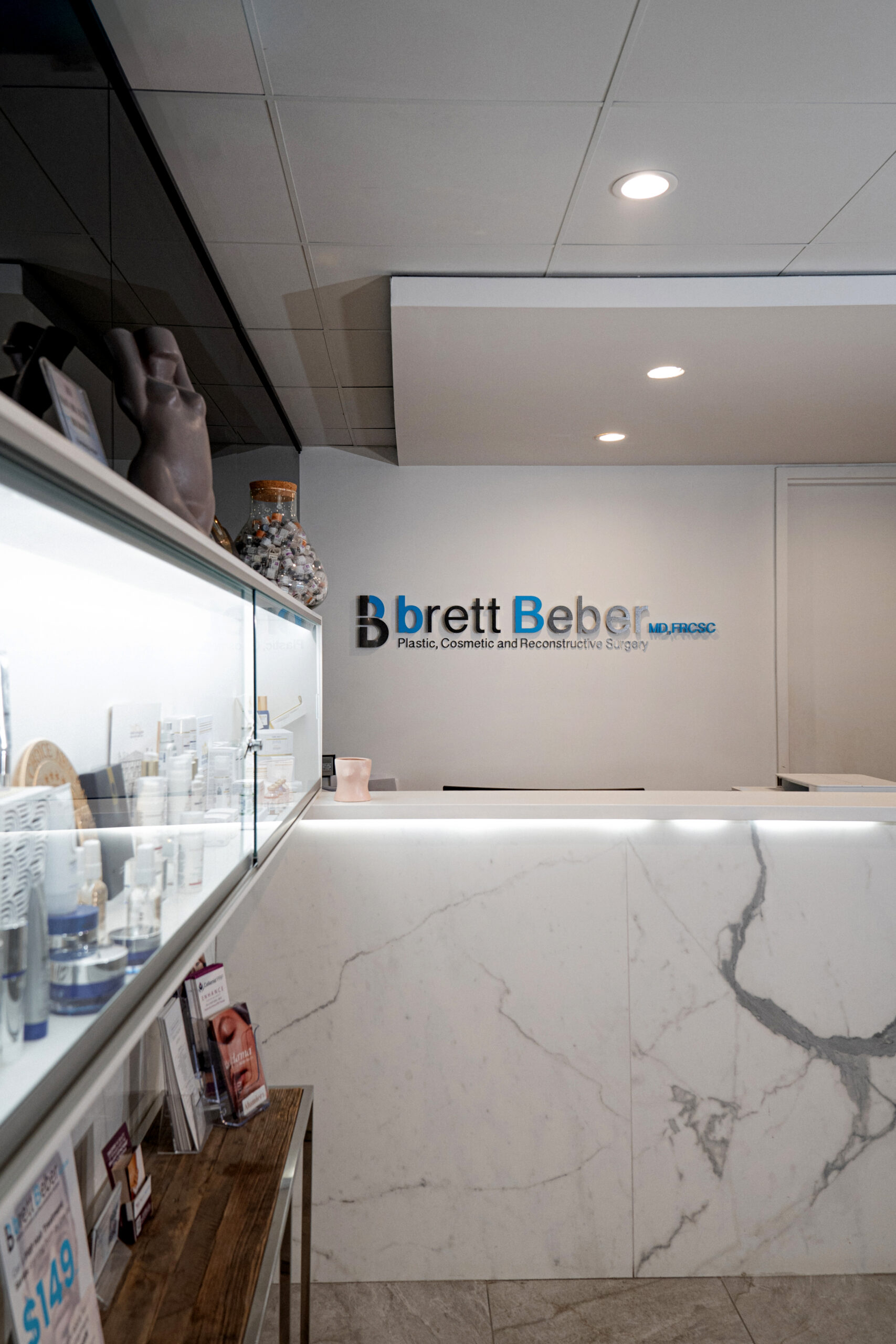
Beber Plastic Cosmetic Surgery

At Beber Plastic Surgery, we think it’s important to be honest about the downsides and limitations of breast reduction surgery, even though it can change a lot of people’s lives. Knowing the pros and cons will help you make an informed decision about whether this surgery fits with your goals and expectations. There’s always trade-offs with surgery and breast reduction is no different.
The biggest and most unavoidable drawback of breast reduction surgery is that it leaves scars. The surgery involves large cuts to remove tissue and change the shape of the breasts which will always leave scars. The most common way to reduce breasts is to make an anchor or inverted T incision. This leaves scars along the areola, down the breast and along the breast crease.
These scars start out red and raised but fade over 12-18 months. Most scars turn into thin white lines that blend in with your skin tone. But some people get wider, darker or more prominent scars depending on how their skin heals and what type of skin they have. For many people the relief from pain is more important than worrying about scarring but you should think about how you feel about permanent scars before you go ahead.
After breast reduction the feeling in the nipples can change. The surgery moves the nipple and areola which can change the nerves that send feeling to these areas. Some people have numbness that lasts for a short time or for the rest of their lives. Others become hypersensitive which means their nipples are too sensitive to touch or temperature. Most changes in sensation get better over several months as the nerves heal but some may last forever.
This can impact intimate experiences and overall comfort which is a big deal for many patients. Breast reduction may make breastfeeding harder. Many people will breastfeed after reduction but the surgery can damage the milk ducts and the blood flow that makes milk. Patients who have their nipples completely removed and then reattached as grafts can’t breastfeed but this is less common. Some patients still have trouble breastfeeding or don’t produce enough milk even with pedicle methods that keep the nipples attached. This is a big deal if you want to breastfeed in the future. We go over these risks in detail during the consultation so you can weigh them against the benefits of reduction.
We try our best to make the breasts look exactly the same but asymmetry can still happen or get worse after breast reduction. Almost everyone has natural breast asymmetry which means one breast is usually a little bigger or shaped differently than the other. We try to make the breasts as symmetrical as possible during surgery but it’s hard to get them to look exactly the same. Also the way the breasts heal can be different from one another which can cause new asymmetry. Most people are okay with small differences between their breasts but people who want complete symmetry may be disappointed.
You can’t change your mind after the surgery since you lose breast tissue. Breast reduction permanently removes tissue that cannot be regenerated naturally unlike surgeries like breast augmentation where implants can be removed. If you later want bigger breasts the only thing you can do is get implants to make them bigger. Since this is permanent you need to think carefully about your long term goals and preferences.
Recovery means dealing with pain and temporary limitations that make daily life harder. Most people who have surgery feel pain, swelling and bruising in the first week. You’ll have to take a few weeks off work, not lift anything and not work out. You won’t be able to sleep in certain positions and you’ll have to wear a supportive surgical bra all the time while you heal. Most patients can handle these short term problems but they do need to prepare ahead and get help from family or friends. Complications can happen with any surgery but they are rare. Infection, hemorrhage, slow healing of the wound, blood clots and bad reactions to anaesthetic are all possible problems. Some people who have breast reduction surgery have problems that are specific to that procedure such as losing part or all of a nipple because the blood supply is not working properly.
However this is unusual with modern procedures. Fluid buildup that needs to be drained or thick, painful scars can also happen. We do everything we can to minimize the risks but no procedure is completely risk free.
For most patients in Toronto cost is a big factor. When paid for privately breast reduction usually costs between $9,000 and $14,000 which is a lot of money. OHIP coverage for breast reduction has become very limited so most patients have to pay for treatment themselves. There are ways to pay for it but you’ll need to plan for it and think about whether the benefits are worth the cost in your case.
Aging, weight changes and gravity can all change the results over time. Your breasts will get older naturally even though breast reduction will make them look better for a long time. Weight gain can make breasts bigger again although not usually to the same size as before surgery. Breast size can also fluctuate during pregnancy and breastfeeding after reduction. Knowing that your results won’t last forever will help you set realistic long term goals.
After surgery some patients think they went too small or not small enough. Choosing your desired size is not easy because you have to think about things like proportions, your lifestyle and your own tastes. At Beber Plastic Surgery we help you visualize what can happen and choose the right size during your consultation. Some patients on the other hand ultimately wish they had chosen differently. This risk makes it even more important to have a full conversation and be honest about your aspirations. Breast Lifts lift and reshape sagging breasts for a firmer, more youthful contour
It can take time for your emotions to adjust to your new breast size. Most patients are happy with their reduced breasts but some have feelings they didn’t expect about how they look now. At first your breasts may feel strange and it will take time to get used to your new proportions. Most people get used to things fast and question why they waited so long for surgery.
However it’s important to recognize this adjustment period. Despite these issues most women who have breast reduction surgery say they are very happy with the results and would do it again. For patients who are good candidates the benefits far outweigh the drawbacks. These include less physical pain, being able to exercise better, clothes that fit better and more confidence. At our Toronto office we help you weigh these against the pros to see if breast reduction is right for you. Dr. Brett Beber, MD, FRCS, is a highly regarded plastic surgeon in Toronto known for his dedication to achieving natural, refined results through advanced surgical techniques and personalized patient care.
Disclaimer: The information provided by Beber Plastic Surgery is intended for general informational purposes only and should not be taken as medical advice, diagnosis, or a guaranteed cost estimate. Surgical pricing and treatment outcomes vary for each individual based on anatomy, procedure complexity, surgeon expertise, and other medical or facility-related factors.
All prices and ranges mentioned are approximate estimates meant to help patients understand general cost expectations in Toronto. Final treatment plans, surgical recommendations, and exact fees can only be determined during a personal consultation after a thorough medical assessment.
Beber Plastic Surgery encourages all prospective patients to discuss their goals, medical history, and budget directly with a qualified surgeon. We are committed to transparency, patient safety, and delivering the highest standard of care—but no information on this page constitutes a binding quote or medical guarantee.
THE CLINIC
ADDRESS
M4S 3C3, Canada
CONTACT