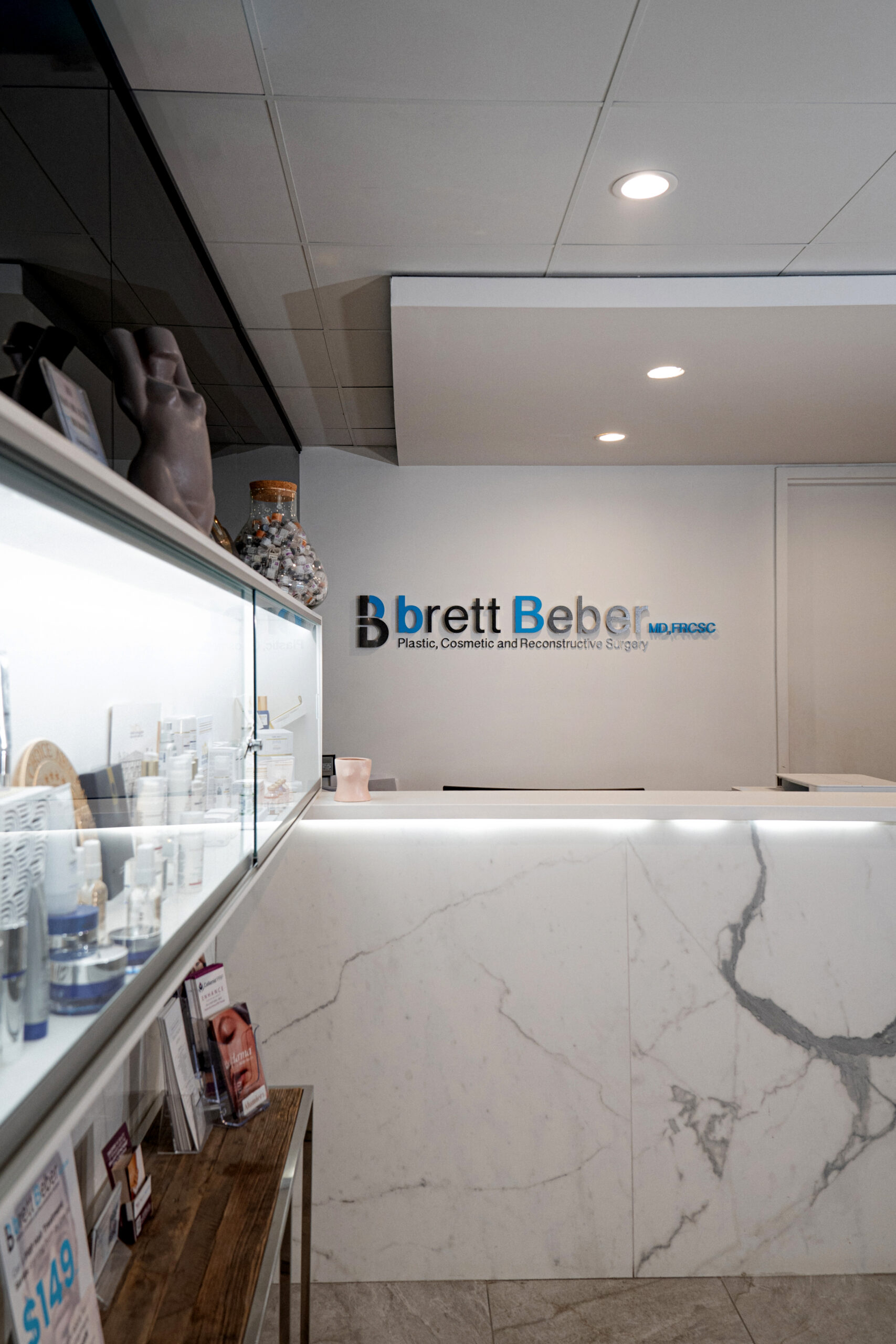
Beber Plastic Cosmetic Surgery


MEET Dr. Brett Beber, MD, FRCS
Figuring out how to get insurance to cover breast reduction surgery is often a real puzzle, especially when you’re already struggling with the pain and discomfort that comes with having very large breasts. Many people assume that breast reduction is a vanity thing and that it won’t be covered by provincial health insurance, but that’s not always the case. If you know what the requirements are and how to navigate the process, it can make a huge difference for people who desperately need this treatment.
When the medical requirements are met, the Ontario Health Insurance Plan will cover breast reduction surgery. Essentially, the insurance companies want to see that the op is medically necessary, that it’s not just about looking good. The key factor in getting approval is how much breast tissue is going to be removed, usually measured in grams per breast. You’ll typically need to have at least 400-500 grams of tissue taken out to get most policies to cover it. Labia Reduction enhances comfort and symmetry for individuals experiencing irritation or aesthetic concerns. The procedure is performed with care to preserve natural contours while improving balance. Many patients choose Labia Reduction for both functional and cosmetic benefits.
The real key to getting approval is to keep accurate records of your symptoms, how they’re affecting your daily life and so on. And by accurate records I mean really detailed ones. Healthcare providers need to document all the chronic back, neck and shoulder pain that’s caused by your big breasts, and any skin problems like rashes or infections under the breast area too. Keeping a symptom journal that outlines how your health is impacting your work, exercise routine or daily activities can really help. I’ve heard some people find it helpful to keep a symptom diary to show just how much their health is affecting their life.
Before they’ll even consider covering any treatment, your insurance company is likely to want to know that you’ve tried some less invasive options first. So you may need to keep a record of things like physical therapy, specialist bras, pain meds or other non-surgical treatments that didn’t really work out for you. PRP Hair Restoration uses the body’s own growth factors to stimulate healthier, fuller hair. This non-surgical treatment is ideal for early thinning or mild hair loss. Patients value PRP Hair Restoration for its natural approach and gradual, noticeable improvements.
When you come in to see a plastic surgeon, they’re going to want to go over your symptoms and medical history in quite a lot of detail. They’ll take measurements and probably take some photos too. Your surgeon will then use all this info to help you build a case for getting insurance to cover the surgery. They’ll also help you fill out all the paperwork that you need to send in.
As for us at Beber Plastic Surgery, we have a load of experience with insurance and know exactly what they need to see before they’ll approve coverage. We help our patients with all the paperwork and work closely with their doctors to make sure that everything that needs to be included is, which makes a huge difference with the likelihood of getting approval and getting it sorted out that much faster.
As for how long it takes to get approval, well, that varies from insurer to insurer and depends on how detailed all the paperwork is. You may need to wait a few weeks or a few months before you finally get the green light. And sometimes they may need a bit more info or want to do a separate medical review, but be patient because meticulous documentation really does increase your chances of success.
In Toronto, insurance will only pay for breast reduction surgery if the medical conditions are met, not just because you ask for it. And here’s the thing, if your symptoms get worse or if more conservative treatments don’t work out for you, then you might become eligible for coverage even if you didn’t qualify at first.
For patients whose procedures aren’t covered by the province’s health insurance, there are other options available. Your employer’s private health insurance plan may cover some of the extra costs, and some extended health plans will cover a portion of the surgery even if the province won’t cover the whole thing.
If insurance doesn’t cover it, you’ll have to pay for it yourself, which can be a real challenge. But lots of medical offices offer payment plans and financing options to help people out. And if you know all your options, you can make some smart choices about your care.
To figure out whether insurance will pay for breast reduction surgery, you need to carefully think about the medical reasons for the procedure and write all that down. Working with professionals who know how to get the insurance approval process sorted really increases your chances of getting coverage for this surgery.
THE CLINIC
ADDRESS
M4S 3C3, Canada
CONTACT