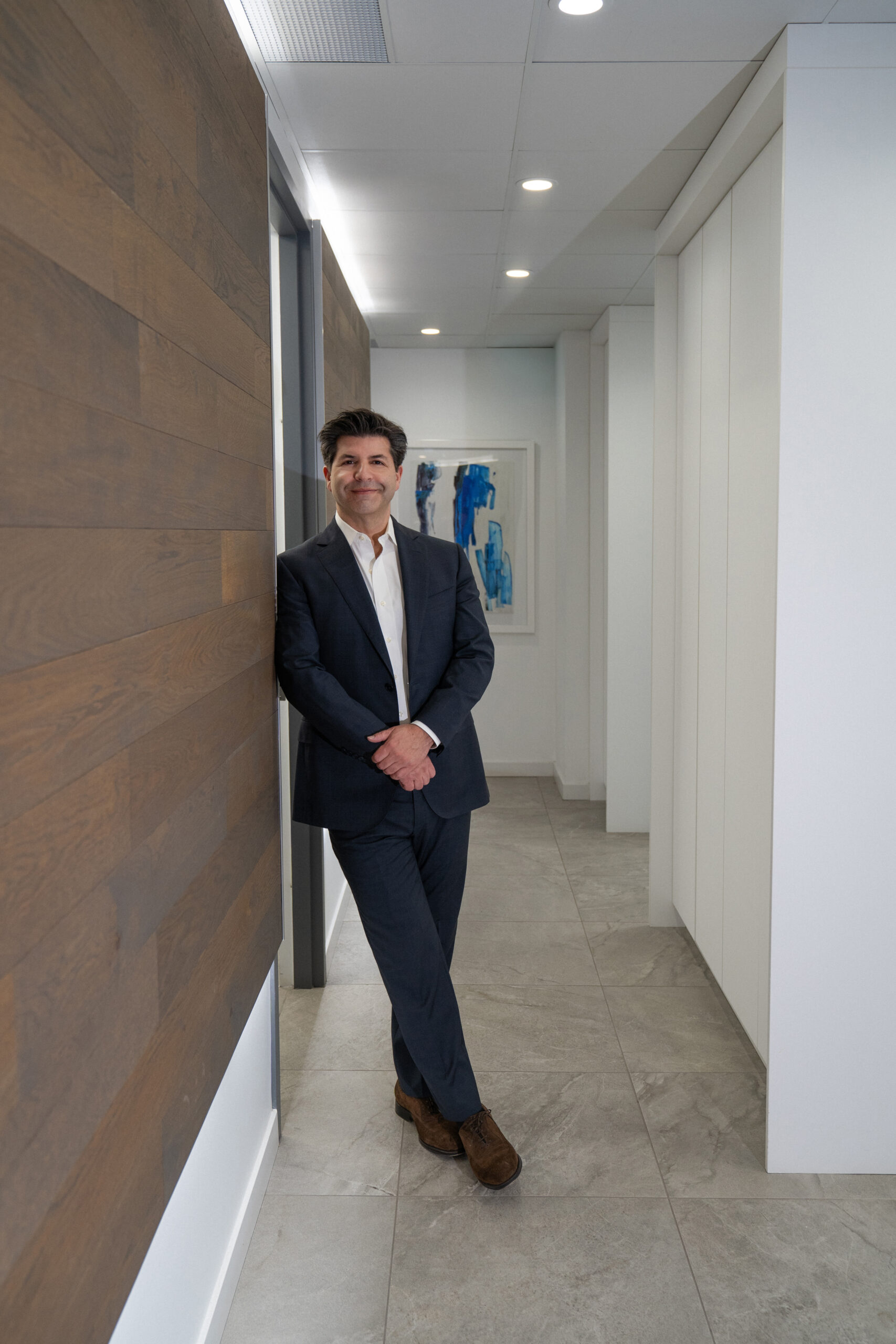
Beber Plastic Cosmetic Surgery

Treatment for female hair loss depends on the cause, because pattern thinning, sudden shedding and patchy loss each need a different plan. For female pattern hair loss, topical minoxidil has the strongest evidence, and the first results take about four to six months. Platelet rich plasma, or PRP, is an option some women add or use instead. If you’re looking for female hair loss treatment in Yorkville, our clinic in midtown Toronto offers PRP hair restoration after an assessment.
Noticing a wider part or more hair in the drain? Book a consultation and we’ll look at the pattern before suggesting any treatment. Call (416) 466-5023 or book online.
What causes hair loss in women?
Hair loss in women is rarely down to one thing. A clinical review of female pattern hair loss describes it as shaped by genes, hormones and environment together. The same review lists several conditions that can look similar at first, so the label matters before treatment starts. These are the patterns we see most:
- Female pattern hair loss, with gradual thinning over the top and a widening part.
- Telogen effluvium, a burst of shedding a few months after illness, stress or surgery.
- Hair loss after pregnancy, which often settles on its own.
- Alopecia areata, an autoimmune condition that causes patchy loss.
- Traction alopecia, from tight styles pulling at the hairline over time.
Some scarring forms of hair loss, such as central centrifugal cicatricial alopecia, need a dermatologist’s care. Our PRP page lists it among the conditions PRP may support, but it shouldn’t be treated without a clear diagnosis. That’s one reason an assessment comes first.
How is female hair loss diagnosed?
It starts with a careful history. When did it begin, is it shedding or thinning, and has anything changed in your health, medications or routine? We look at the scalp closely, including how the part line compares at the front and back. Female pattern loss usually shows a wider central part with thinner hair over the front of the scalp.
Blood work can help too. The clinical review notes links between low ferritin, a measure of iron stores, or low vitamin D and some forms of hair loss. Our own guidance is to check with your family doctor first, so any underlying cause is found and treated. Hair treatments belong alongside that, not instead of it.
What treatments are used for female pattern hair loss?
Several options have evidence behind them, and many women use more than one. A 2023 therapeutic update on female pattern hair loss calls topical minoxidil the treatment with the highest level of evidence. It also notes that results need continued use, and that some women don’t respond. These are the main options discussed in the research:
- Topical minoxidil, applied to the scalp every day over the long term.
- Oral anti androgen medications such as spironolactone, prescribed off label by a physician.
- Platelet rich plasma injections into the scalp.
- Combinations of these, which are common in practice.
Prescription medications need a physician’s supervision and aren’t suitable during pregnancy. Your family doctor or a dermatologist may manage that part. At our clinic, the focus is PRP hair restoration, and we’re glad to work alongside the rest of your care.
Want to know whether PRP fits your type of hair loss? Our team can assess your scalp and explain the options at one visit. Call (416) 466-5023 or book online.
What happens during PRP for hair loss?
PRP uses a concentrate made from your own blood. Each session at our clinic takes about 45 to 60 minutes. A typical session runs like this:
- We review your hair history, health and medications.
- A small amount of blood is drawn from your arm.
- The blood is spun in a centrifuge to separate the platelet rich plasma.
- Ice is offered for the treatment areas to keep you comfortable.
- The PRP is injected into thinning areas of the scalp with a fine needle.
There’s no downtime, and most people return to their day straight away. A review of PRP for female androgenetic alopecia found no serious adverse events in the studies it covered. Expect some tenderness, a feeling of pressure during injection and perhaps a mild headache the next day.
Who shouldn’t have PRP for hair loss?
PRP isn’t right for everyone. Our own guidance lists smokers, people with significant medical conditions or medications, diabetes or blood disorders as poorer candidates. Pregnancy and breastfeeding also rule it out for now. An unhealthy lifestyle can blunt the response as well.
Expectations matter too. PRP tends to work better for thinning than for areas that have been bare for years. The research is still growing, and protocols vary between studies. We’ll be honest about what it can and can’t do for your pattern.
How long until PRP shows results?
Hair grows slowly, so patience is part of the plan. Our clinic sees the full effect at about three to six months, and most women need three to six treatments. The PRP review describes a common schedule of three monthly sessions, then maintenance every three to six months. Our clinic’s guidance puts results at about six to nine months between maintenance visits.
We usually take photos at each stage so you can compare like with like. Shedding can vary from month to month, which makes day to day judgment unreliable. A steady trend over several months tells you more.
How close is Beber Plastic Surgery to Yorkville?
We don’t have an office in Yorkville. Our only clinic is at 40 Holly St, Suite 203, in midtown Toronto, a couple of minutes on foot from Eglinton subway station. From the Bloor and Yonge area it’s a short ride north on Line 1. Since PRP usually means a series of visits, it helps that the trip is simple.
Our team includes Dr. Brett Beber, a plastic surgeon certified by the Royal College of Physicians and Surgeons of Canada, and registered nurse Madison Nagel. Our PRP Hair Restoration page explains the treatment in more detail. You can start with a phone call if you’d like to ask questions first.
How should you prepare for a PRP session?
A little preparation helps the session go smoothly. It can also make the blood draw easier. These points come from our own pre care instructions:
- Avoid blood thinning medications only if your doctor agrees.
- Skip hair dye for three days before your appointment.
- Drink plenty of water in the days before.
- Avoid smoking and alcohol for at least seven days beforehand.
After treatment, keep skincare gentle and protect your scalp from the sun. Avoid strenuous activity for a short time afterward. Be gentle with tight ponytails and braids as well, since constant pulling can add to thinning at the hairline.
Common questions about hair loss in women
What is the most common cause of hair loss in women?
Female pattern hair loss, according to the clinical review we cite. It tends to show up slowly, as thinning over the top of the scalp and a part that gets wider.
Can female hair loss grow back?
Sometimes, and the cause decides it. Shedding after an illness or a pregnancy often recovers by itself. Pattern loss is different. It usually needs ongoing treatment to hold density or improve it, and results depend on keeping that treatment up. That’s why the diagnosis comes before any plan.
Does PRP work for women?
For some women with pattern hair loss, research suggests it can help, particularly as one part of a wider plan. Not everyone responds, and the studies vary.
How many PRP sessions will I need?
Three to six treatments is typical, often monthly to start. After that come maintenance sessions every few months.
Is PRP for hair loss painful?
You’ll feel pressure and some stinging where the needle goes in. We offer ice. Any tenderness usually fades within a day or so.
Should I see my doctor before starting hair loss treatment?
It’s a good first step. A family doctor can check things like low iron or vitamin D, along with other health causes that should be treated first.
Book a hair loss consult near Yorkville
Beber Plastic Surgery is at 40 Holly St, Suite 203, Toronto, ON M4S 3C3. Call (416) 466-5023 or book a consultation online. Bring any recent blood work or notes from your doctor if you have them. We’ll look at your scalp, talk through the likely cause and explain whether PRP fits your plan.
Book your hair loss consultation with Beber Plastic Surgery. Call (416) 466-5023 or book online.
Visit Beber Plastic Surgery
40 Holly St, Suite 203, Toronto ON M4S 3C3
Phone: (416) 466-5023
Office hours
- Appointments Call (416) 466-5023 for current hours
- Consultations In office or by phone call
- Email info@bebersurgery.com
THE CLINIC
ADDRESS
M4S 3C3, Canada
CONTACT